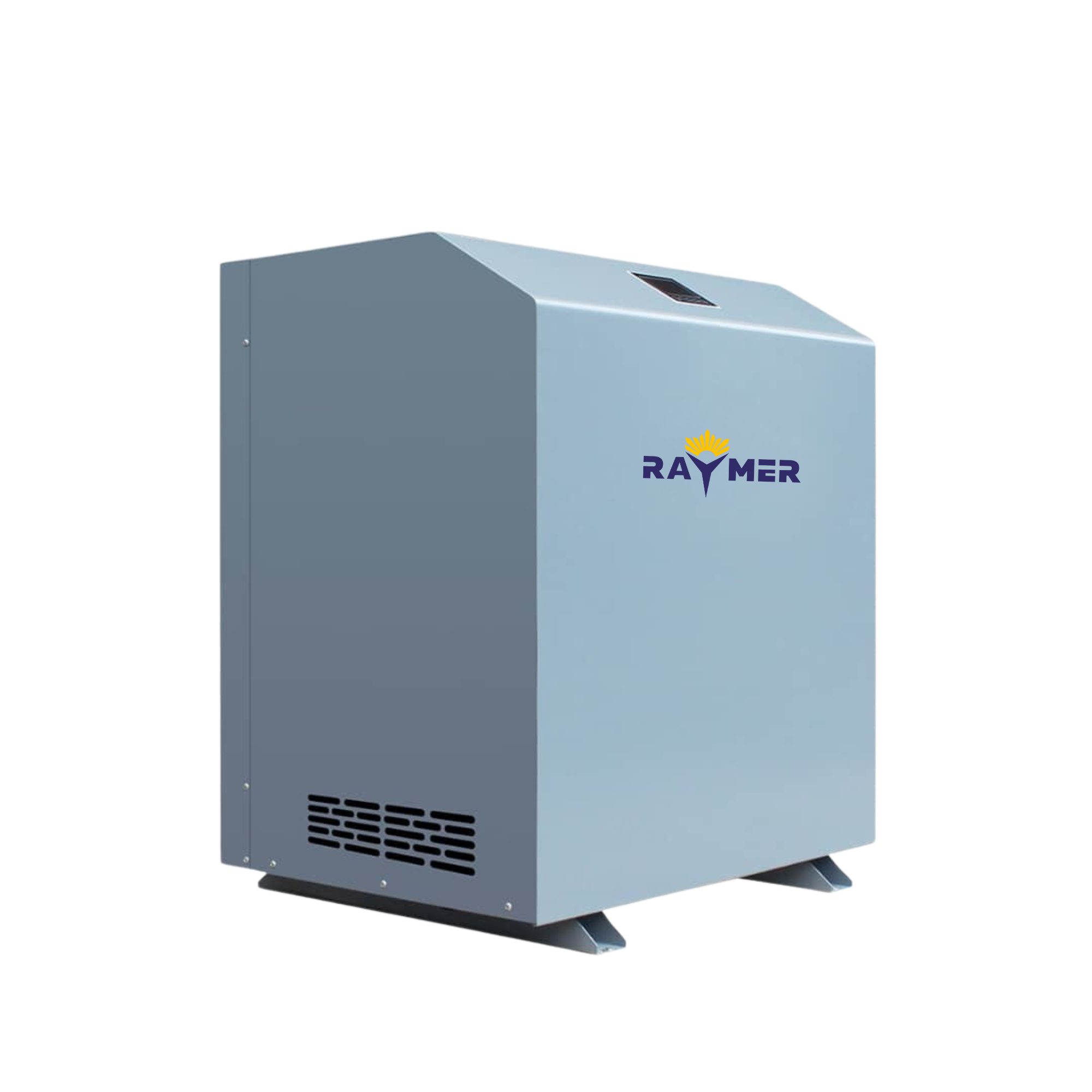
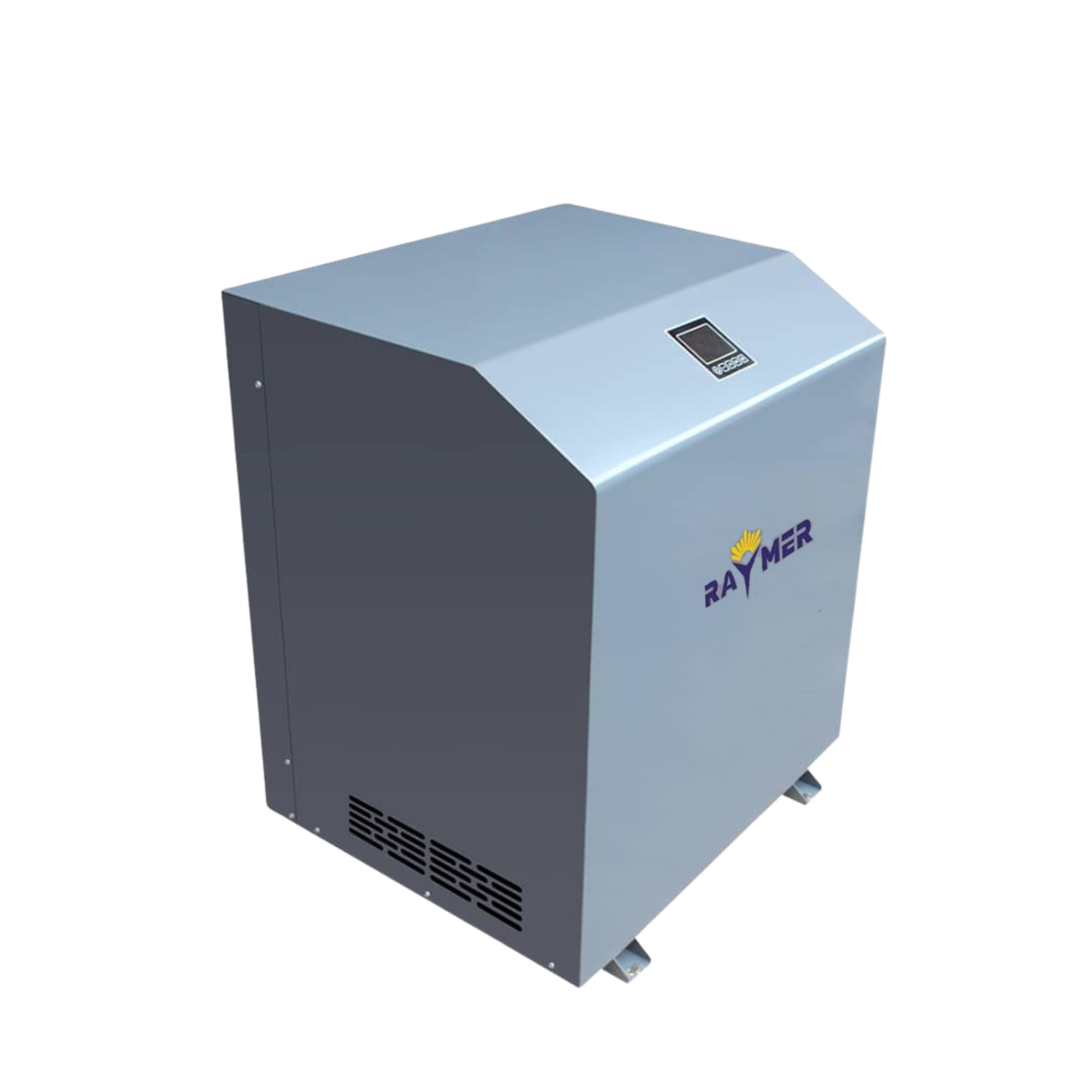
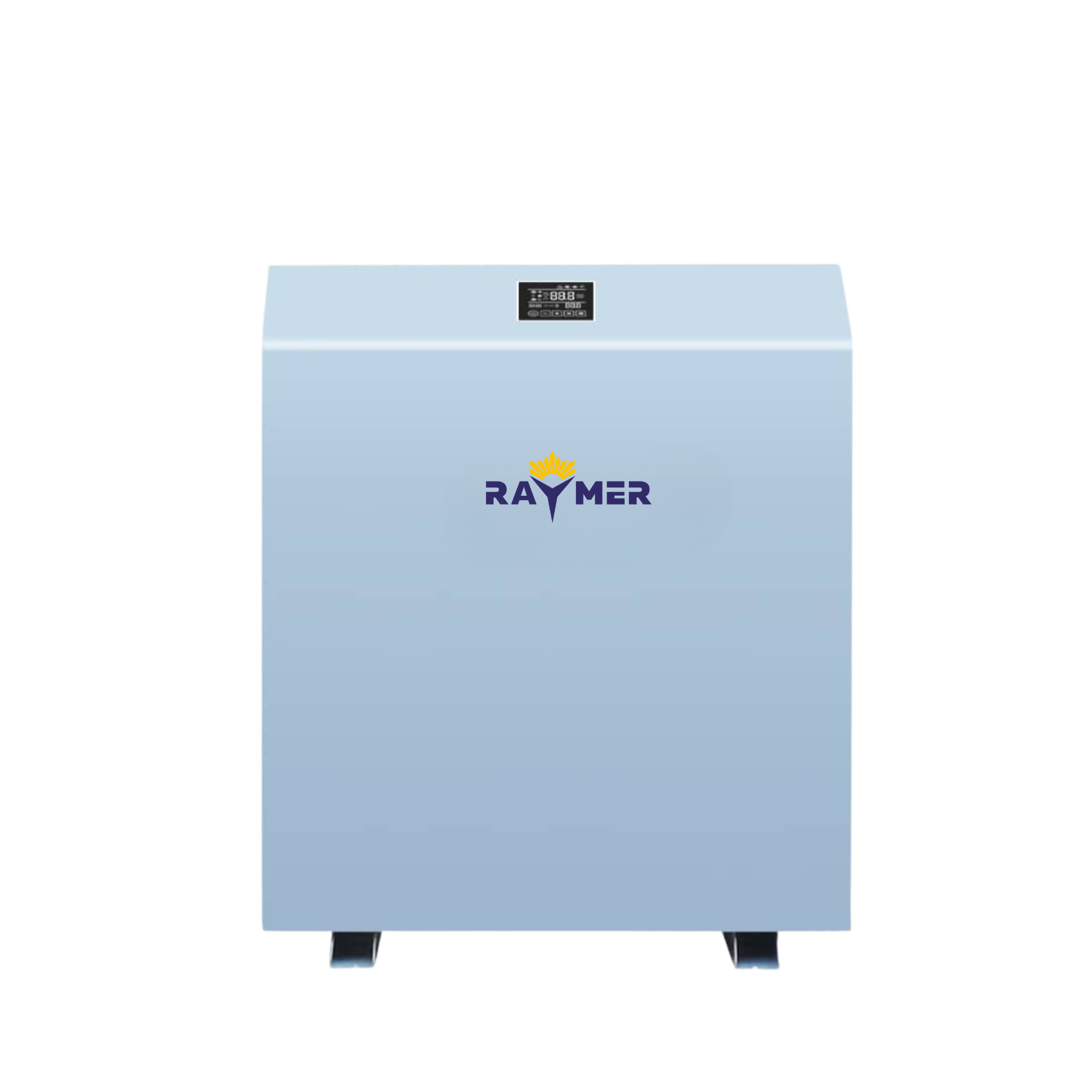
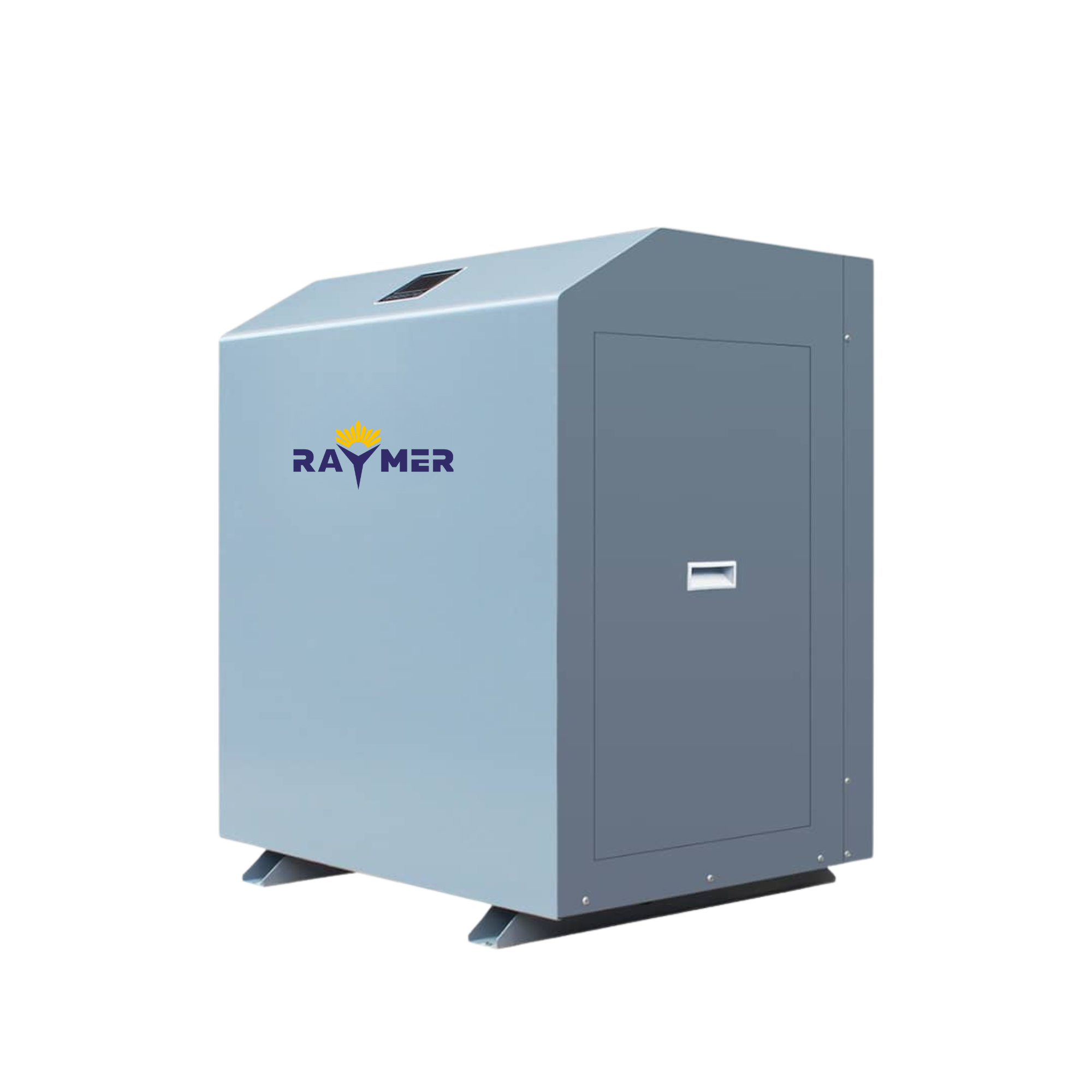
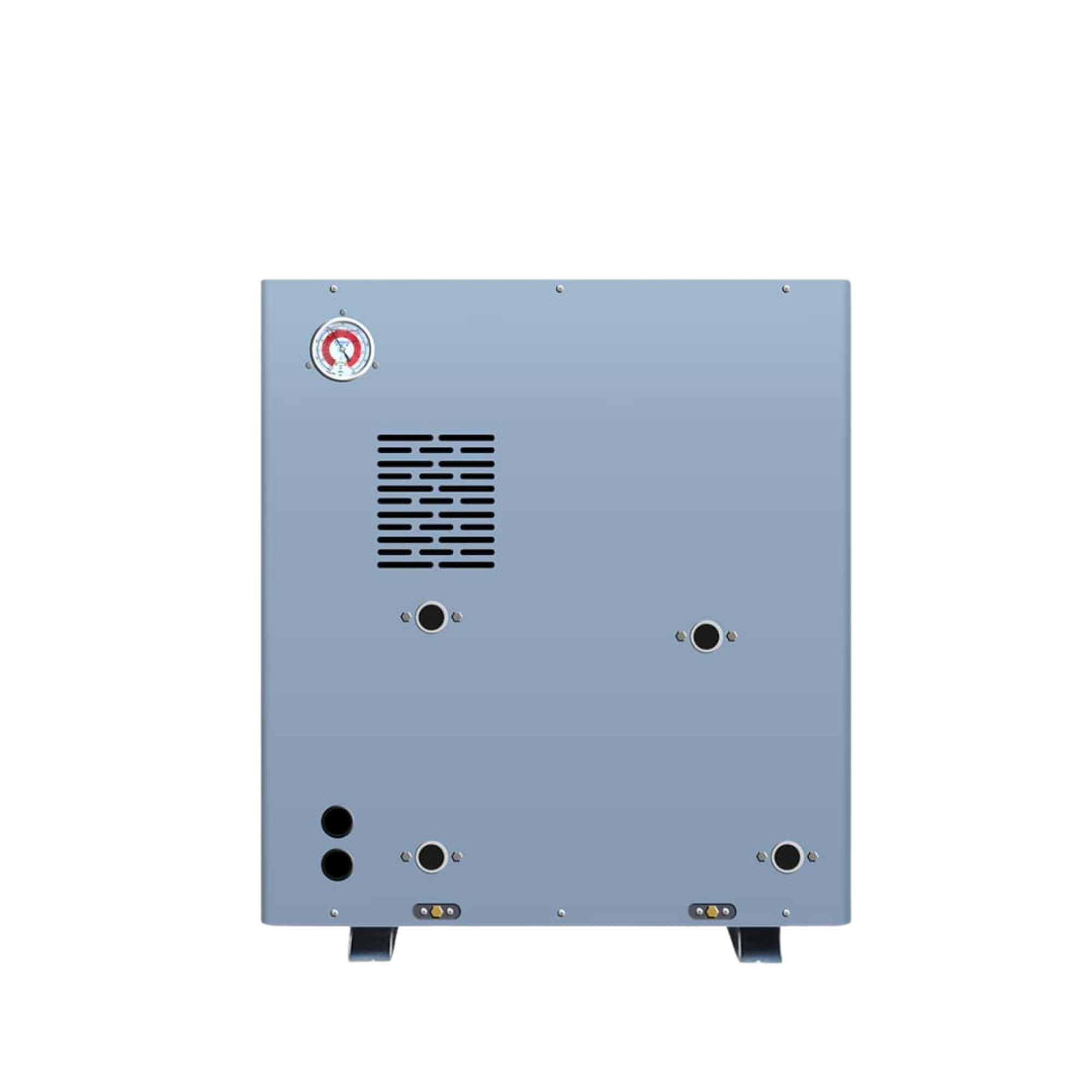
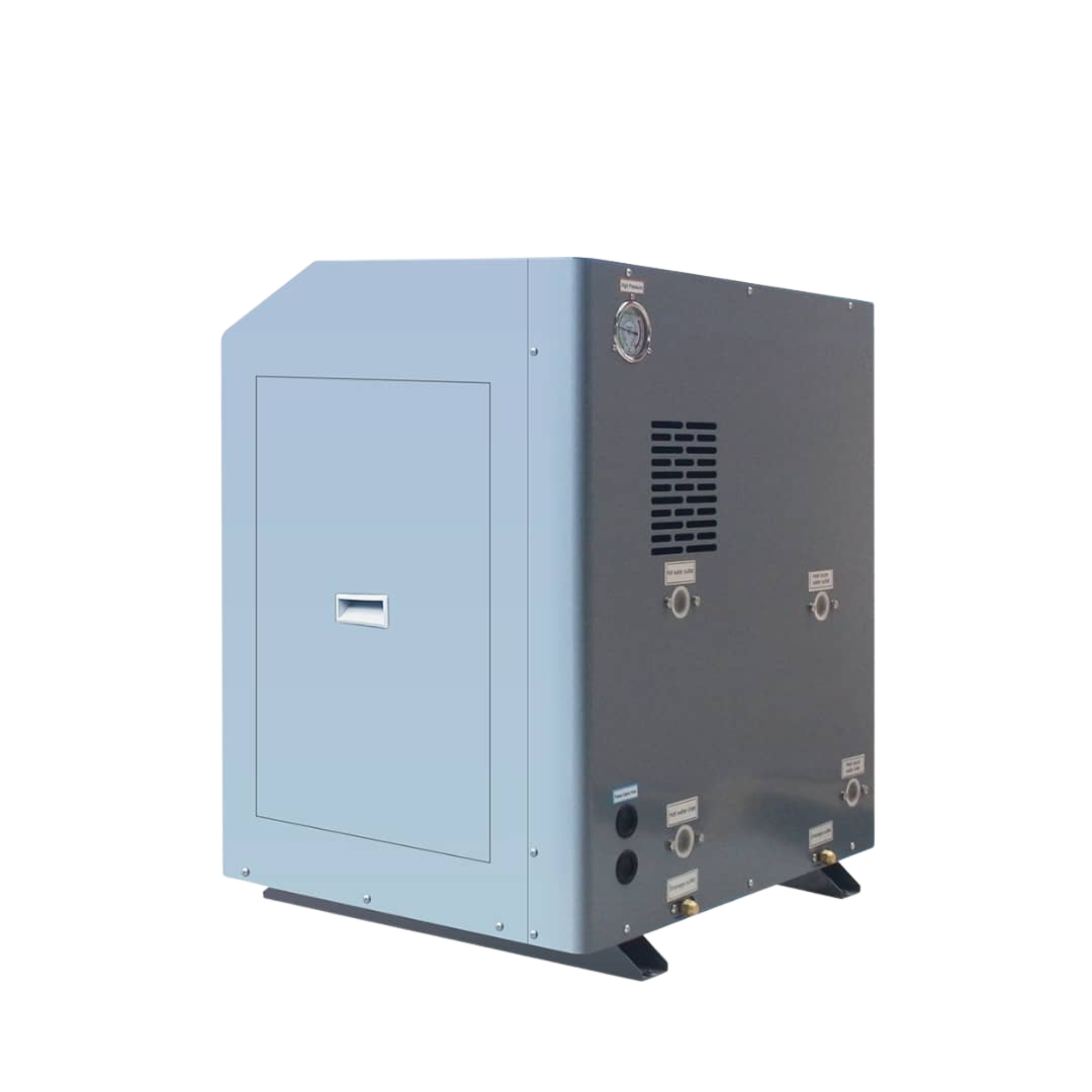
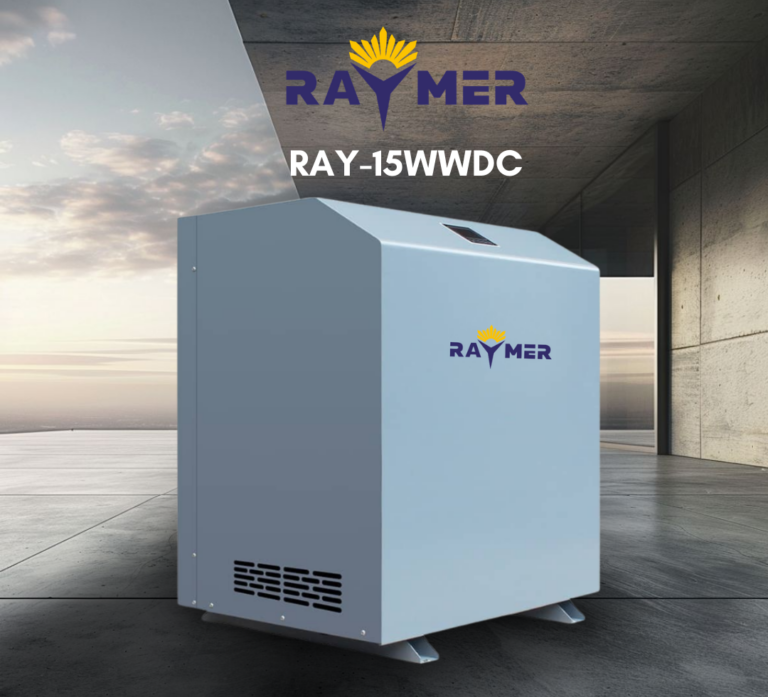
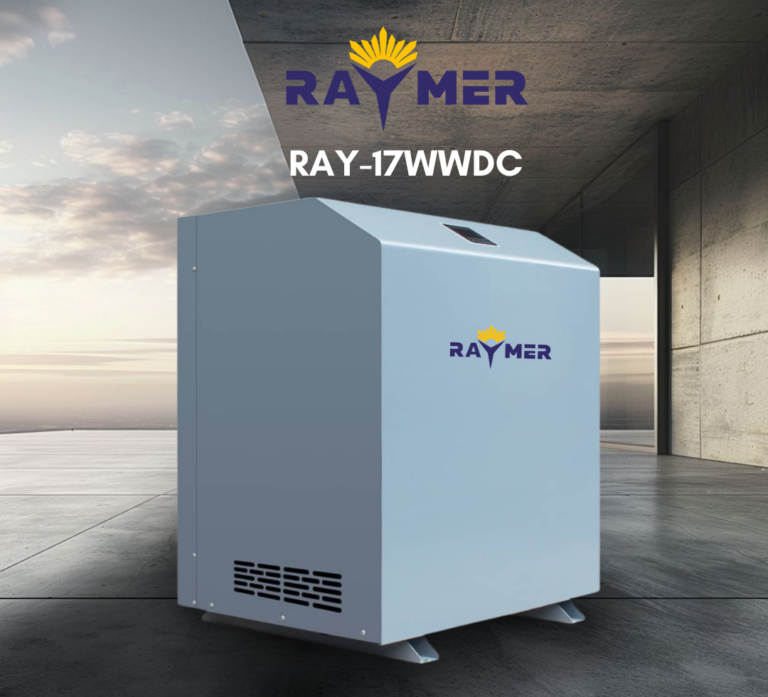
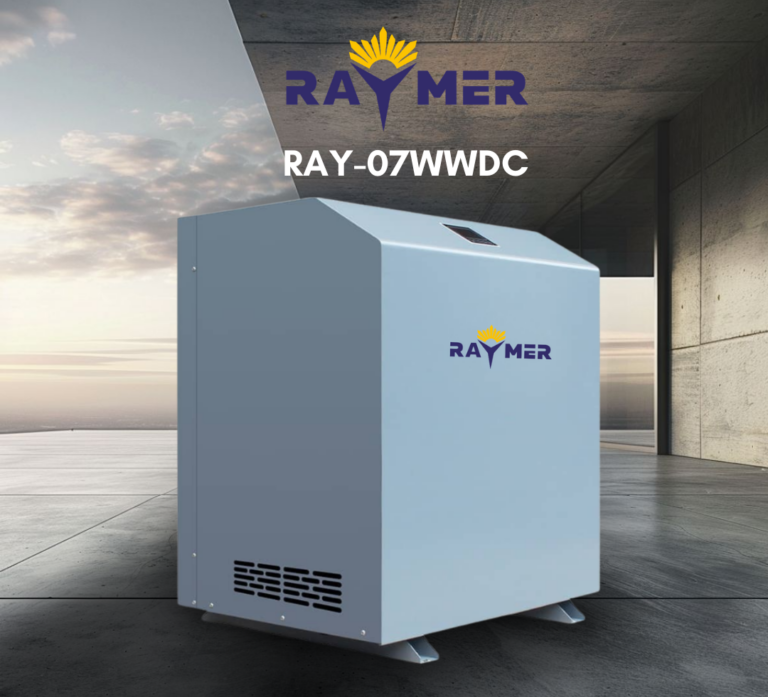
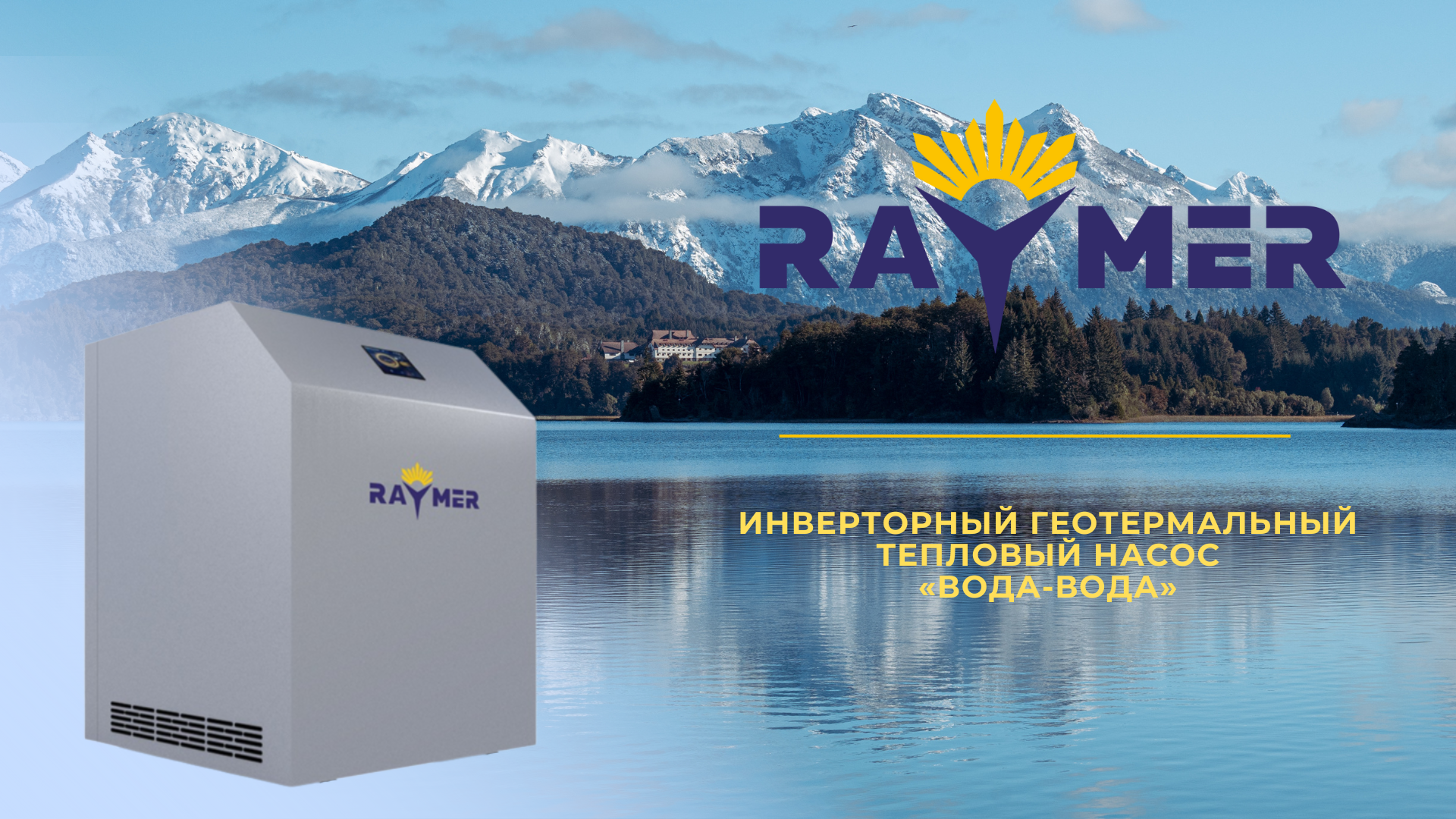
INVERTER GEOTHERMAL HEAT PUMP RAYMER “WATER-WATER”
Инверторный геотермальный тепловой насос Raymer RAY-10WWDC «вода-вода» is a new generation high-tech system, using stable energy from the soil or groundwater to provide maximum comfort in all seasons. It features high performance, long service life and the ability to work in difficult conditions with different types of soil and water resources.
OPERATING PRINCIPLE
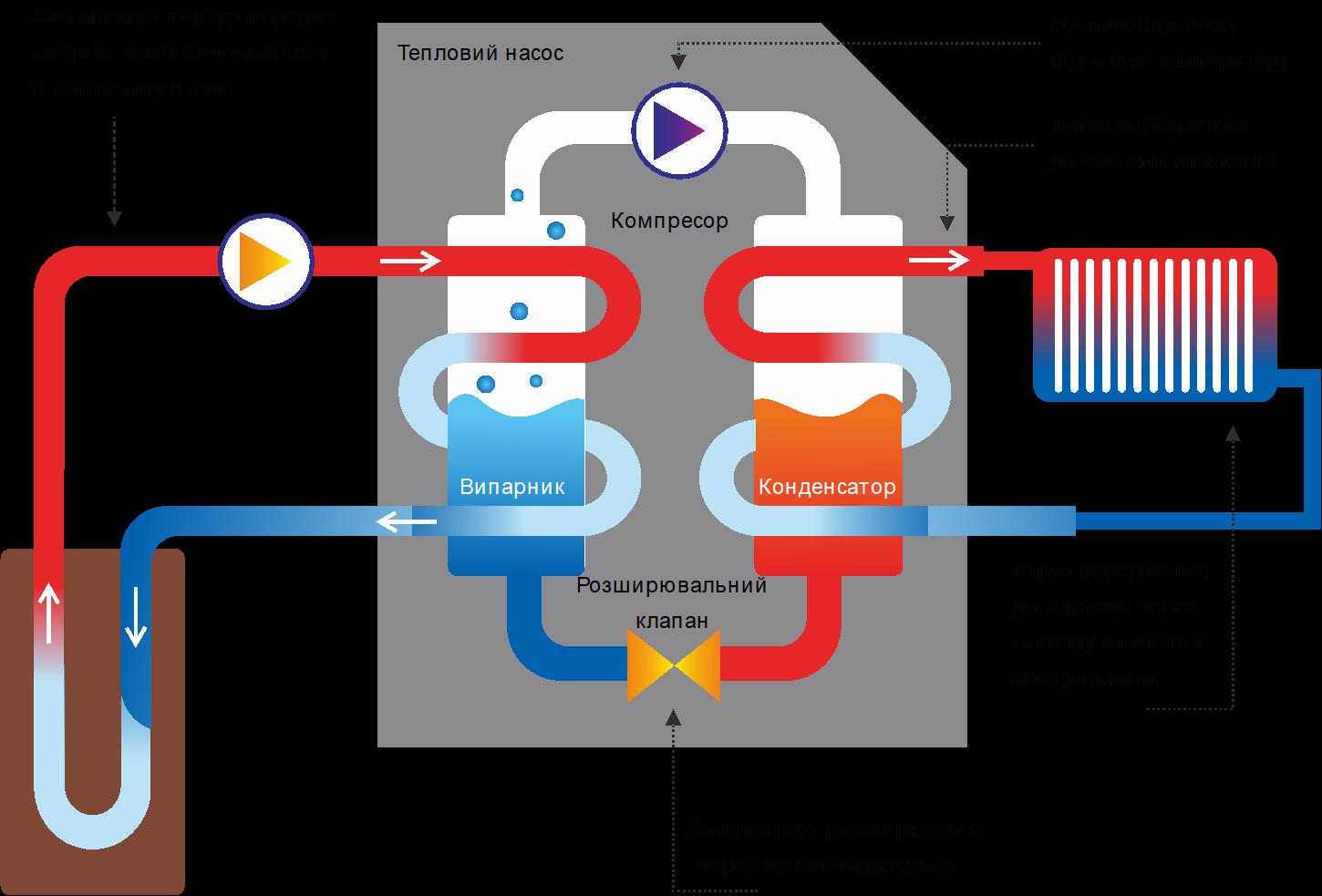
The basis of the heat pump is the use of natural heat from the earth. Through pipelines, filled with coolant, located horizontally or vertically, heat from the ground is transferred to the pump heat exchanger.
Then, using an inverter compressor and pressure control, the refrigerant temperature increases from approx. 10°C to 60°C, which allows for efficient heat generation.
Pipelines are collected in a collection chamber near the house, from where the circuit again supplies coolant to the heat pump for a repeat cycle.
FEATURES AND BENEFITS
 High performance
This inverter geothermal heat pump is designed to work effectively with a variety of groundwater quality classes, from clean aquifers to more mineralized layers.. Thanks to this, the system demonstrates stable thermal output up to 200 kW, providing reliable heating even in difficult hydrogeological conditions.
High efficiency is achieved through optimized heat exchanger and precise inverter compressor control, allowing maximum use of soil energy and reduction of heat loss during the transfer process.
This is an ideal choice for large private houses, production facilities, hotels and administrative premises.
Compact design
Despite the power and technical complexity, The device has a well thought out compact design. It is easy to install in small technical rooms, utility rooms or boiler rooms, where space is limited.
The internal layout of the equipment is designed as follows, so that installers have convenient access for maintenance and connection. This reduces installation time, reduces installation costs and increases operational safety.
Innovative stainless steel heat exchanger
The heart of the system is a highly efficient spiral coil heat exchanger, made of stainless, corrosion-resistant steel.
Each seam is made by hermetic welding, providing:
-
Full resistance to corrosion and water hammer;
-
no risk of leaks;
-
long service life even when working with aggressive media;
-
stable heat exchange environment at high loads.
Thanks to its innovative design, the coil pump exhibits high heat transfer efficiency, which is especially important when working in low-temperature geothermal circuits.
Versatility of use
Suitable for:
- private houses and villas,
- hotels and office centers,
- schools and social institutions,
- hot water supply and climate control systems
Inverter control
Inverter technology allows you to smoothly regulate the compressor speed, adjusting pump performance to the current needs of the building.
This provides several key benefits:
- Energy Saving – the system does not operate at peak speeds unnecessarily.
- Consistent comfort – maintaining a uniform temperature without sudden changes.
- Longer service life – the compressor does not start in “start-stop” mode, which reduces wear.
- Precise adaptation to load – the system operates with exactly that power, which is needed at a specific moment, which is especially important in the off-season.
Thanks to inverter control, the heat pump runs quieter, more stable and much more economical, than traditional fixed capacity units.
APPLICATION OF ENERGY
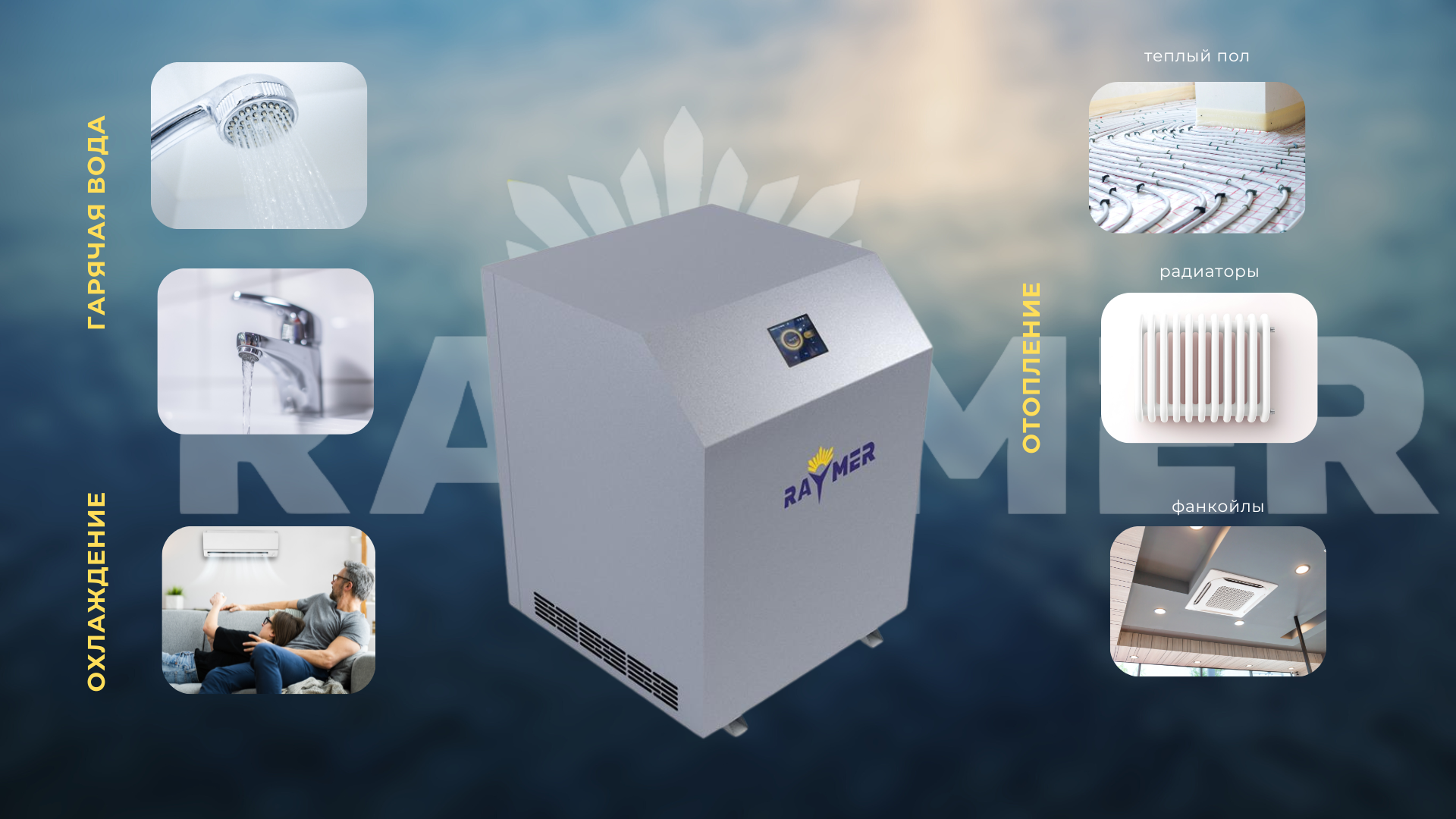
The resulting heat can be used:
- for heating,
- hot water supply,
- cooling of premises in the summer season.
The system can also be combined with a storage boiler, able to retain heat for several hours.
Инверторная технология в геотермальных тепловых насосах Raymer RAY-10WWDC
Inverter control system - one of the key elements of the efficiency and stability of a modern water-to-water geothermal heat pump. In the models Raymer RAY-10WWDC It is the inverter compressor that ensures optimal energy consumption, maximum performance and adaptation to the actual thermal loads of the building up to 100 м².
How does the inverter work in a geothermal heat pump??
Inverter technology allows you to smoothly regulate the compressor operating frequency. Unlike classic ON/OFF pumps, where the compressor constantly starts and stops, inverter compressor:
-
changes its power from 20 to 100%;
-
maintains stable temperature;
-
avoids unnecessary peak loads;
-
works much quieter;
-
consumes less electricity.
Thanks to this, the heat pump can maintain the optimal coolant temperature even with minimal changes in the system - taking into account the needs of the house, heat loss intensity and source temperature (groundwater or horizontal contour).
Использование компрессора Panasonic в грунтовых насосах Raymer RAY-10WWDC
This model has Panasonic inverter compressor, considered one of the most reliable on the market for water-to-water heat pumps.
Features of the Panasonic compressor in water-to-water heat pumps:
High reliability and service life: Panasonic compressors are specially designed for inverter systems and have reinforced crank mechanism components, minimal friction and optimized lubrication system.
Operation at low temperatures down to –25°C: Although the geothermal pump works with water or ground loop, The Panasonic compressor operates stably at sub-zero ambient temperatures - this is important for installation in cold boiler rooms or unheated rooms.
High energy efficiency: Panasonic supports a wide range of modulation, which makes it possible to achieve a high seasonal efficiency coefficient SCOP up to 5.3.
Quiet operation: Thanks to optimized geometry and balancing, the compressor has low vibration levels, So, quieter operation of the entire system.
Compliance with international standards: Panasonic compressors undergo double leak tests, stability of performance and operation in variable temperature conditions
Features of the drilling system and geothermal circuit design
A properly designed and executed geothermal energy harvesting system is a key factor in the efficiency of any water-to-water heat pump.. Geothermal installation can operate on horizontal or vertical circuits, as well as on open systems, where water from aquifers is used. Each type has its own installation features, depth, requirements for location and drilling conditions.
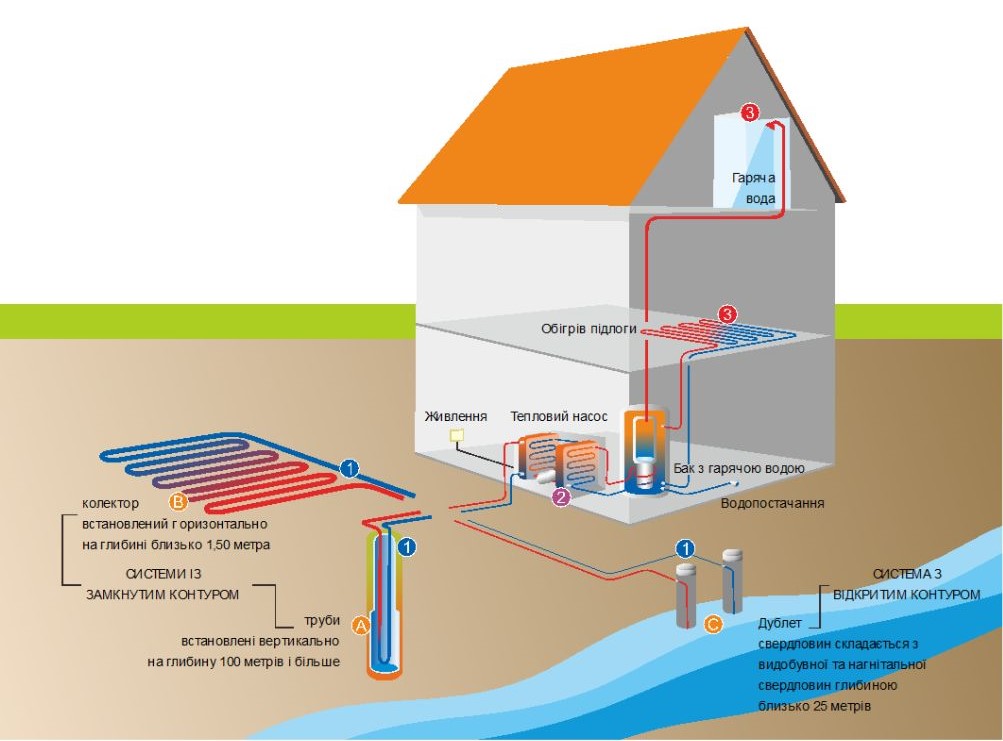
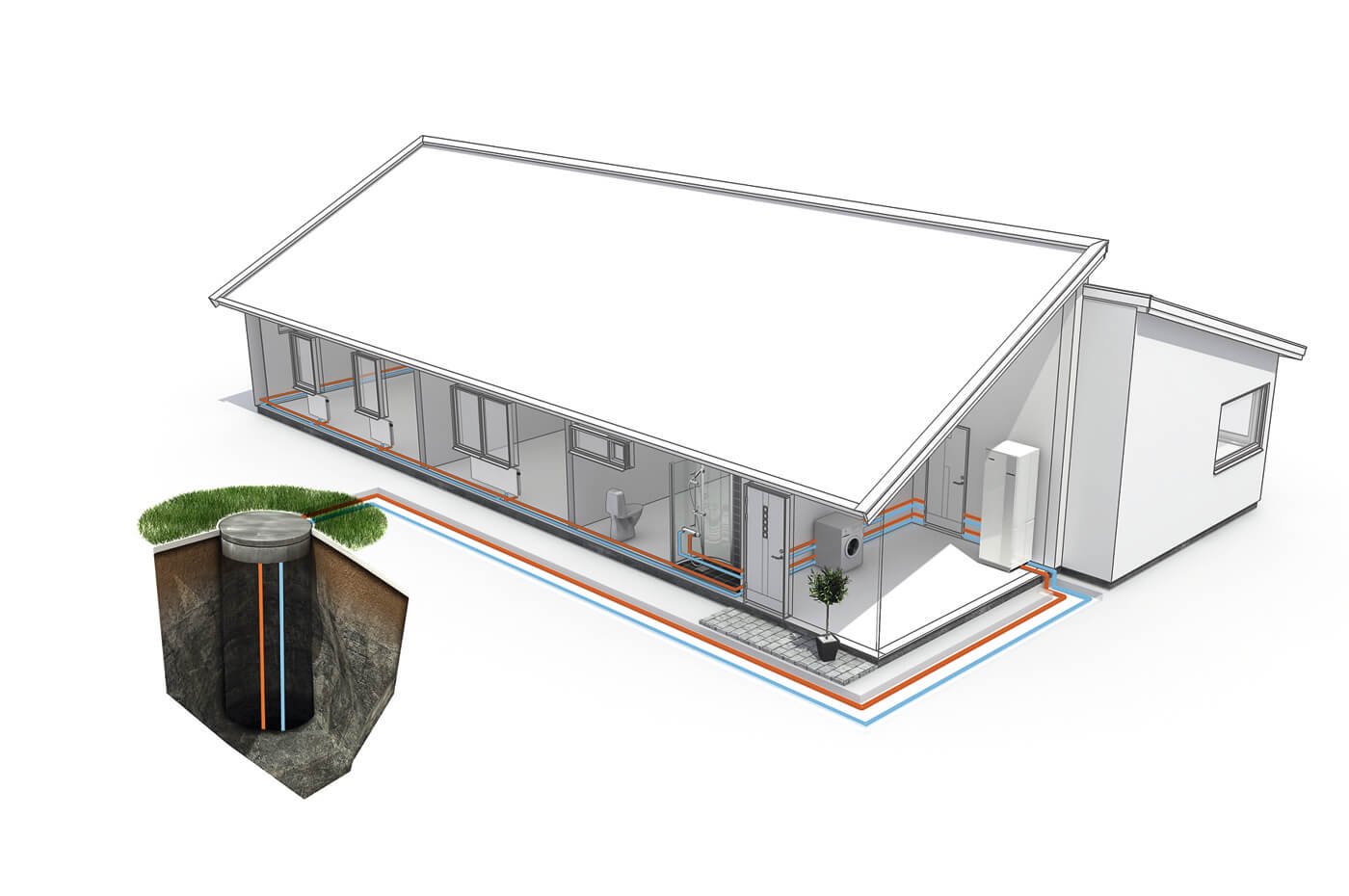
Drilling process
Vertical geothermal circuits equipped by drilling with special drilling rigs, creating a well of the required diameter and depth. After drilling is completed, a geothermal probe is lowered into the hole - a U-shaped high-strength polyethylene pipe. It is through it that the coolant will circulate in a closed system.
After installing the probe the drill hole is filled with a thermally conductive mixture or clay for better contact with the ground and stability of the structure. The pipeline is then connected to the heat pump system, and the coolant is poured into the circuit - it can be ordinary water or a special anti-freezing solution (antifreeze), guaranteeing stable operation even in the coldest conditions.
The temperature of the earth at depth remains constant throughout the year, therefore vertical contours ensure a very uniform heat flow. They practically do not respond to seasonal fluctuations, not affected by frost or surface freezing, and are also significantly less susceptible to fluctuations in groundwater levels. This is why the vertical geothermal loop is considered the most stable and efficient solution for water heat pumps, ensuring constant coolant temperature and high system efficiency regardless of weather conditions.
 Drilling vertical wells
Vertical geothermal wells are used there, where there is not a large area for a horizontal contour or where the soil temperature is high at depth.
Well depth
-
Usually from 50 to 200 meters depending on the heating needs of the house.
-
Для теплового насоса Raymer RAY-10WWDC (area up to 100 м²) обычно достаточно 1–2 скважины глубиной 140–180 м..
Distance between vertical wells: So that wells do not “compete” for heat, it is important to follow the recommendations:
- Minimum distance between wells: 6-8 meters.
- For large systems (5-10 wells): 8-12 meters.
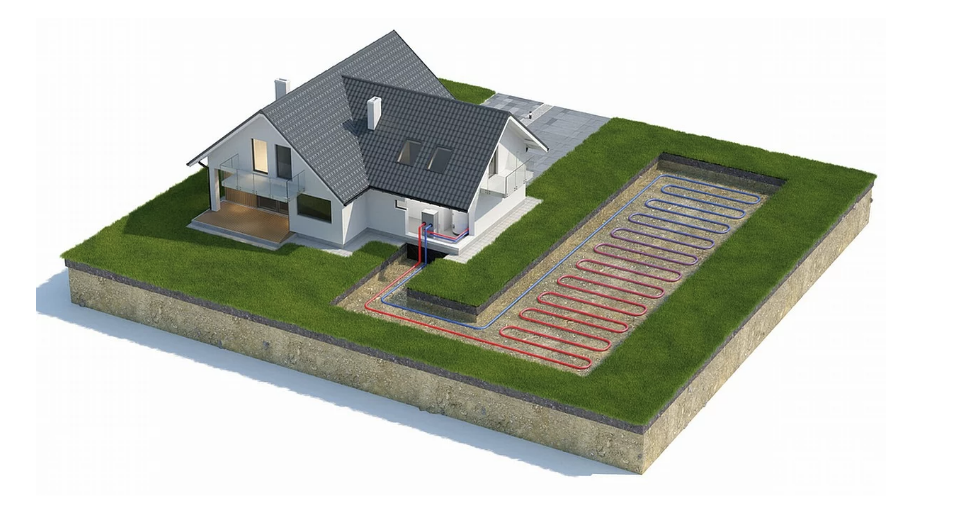
Horizontal outline:
This is a popular option for private homes, if sufficient space is available. Laying depth is usually 1–1.5 meters below the freezing level.
Distance between loops
-
Between the pipes a minimum distance of 1 meters.
-
This is necessary, so that the circuits do not “take” heat from each other.
-
Proper distance improves productivity and increases COP system.
Area requirements
-
The area of the plot should be approximately 3-4 times larger than the area of the house.
-
For 100 m² required approx. 300-400 m² plot.
Doublet wells (open system):
Such systems operate directly on groundwater, which gives high efficiency, but requires the right conditions.
Principle of operation
-
One well pumps water to the surface.
-
Heat from the water is transferred to the pump.
-
Cooled water is returned to the second well.
Important Requirements
-
Presence of a stable aquifer.
-
Sufficient flow rate (amount of water, which can be pumped out).
-
Clean water without a lot of sand, iron or impurities.
Advantages
-
Very high COP.
-
Low digging costs - just two wells.
-
Ideal for regions with rich underground water resources.
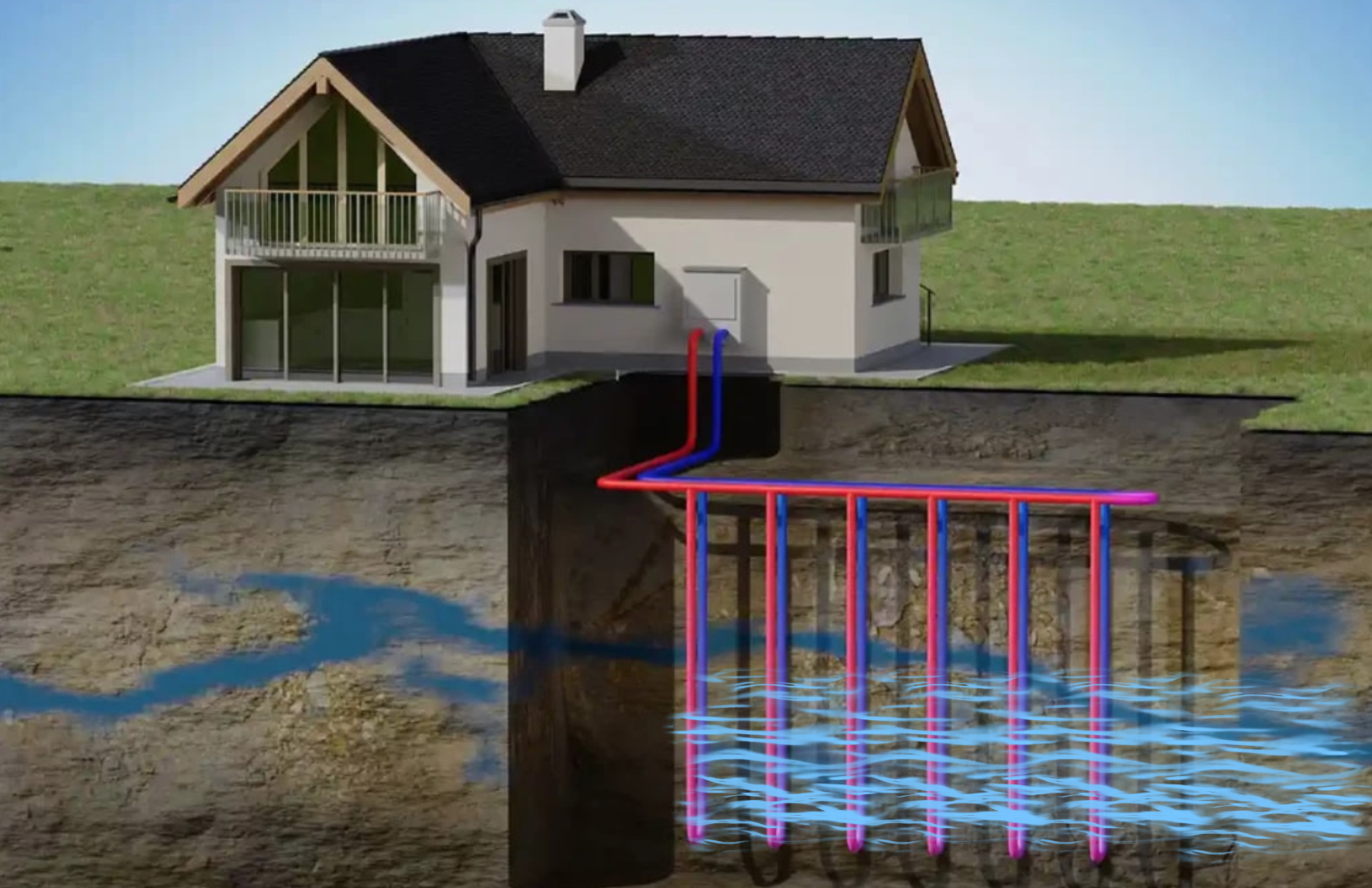
Impact of Groundwater on Geothermal System Selection and Performance
Groundwater is one of the key factors, defining, what type of geothermal system will be most effective at a particular site. Aquifer level, their temperature and stability directly affect the heat transfer between the soil and the coolant, as well as the choice of drilling technology and circuit configuration.
High groundwater level (approximately 2-5 m)
If the water is close to the surface, this significantly increases the efficiency of horizontal circuits. Wet soil has better thermal conductivity, therefore, the pipes exchange heat much more efficiently, than in dry soil.
Additionally, at high water levels, it is possible to use so-called open systems - doublet wells, where water is taken from one well and returned to another. Such systems show very high efficiency, but require a stable and clean aquifer.
Average groundwater level (approximately 5-10 m)
This range is optimal for most vertical contours. The presence of water at such a depth stabilizes the temperature of the borehole, because the aquifer is slowly, but constantly moving.
This movement of water helps dissipate heat and support the natural regeneration of the thermal field around the geoprobe, making pump operation stable throughout the year.
Low groundwater level (deeper 10 m)
When the water is significantly below the operating depth of the system, their impact on efficiency practically disappears. In such conditions, only closed systems are usually used, where the antifreeze solution circulates in the circuit.
Heat transfer in dry soil occurs more slowly, therefore the system must be designed taking into account the actual thermal conductivity of the soil - perhaps, a deeper or more numerous well is needed.
Технические характеристики Raymer RAY-10WWDC:
| Rated heat output, kW |
10 (2,4-11,2)
|
|---|---|
| Input power, kW | 1,1-2,35 |
| Rated cooling capacity, kW |
7,75 |
| Input cooling power, kW |
2,35 |
| Maximum operating current, A |
12 |
| SOR |
4,12-5,75 |
| Power Options, V/Ph (Hz) |
220V/1N-/50Hz |
| Compressor | Panasonic |
| Freon |
R410A |
| Cooling heat exchanger | Stainless Plate Heat Exchanger /Pipe in Pipe |
| Heating heat exchanger | Stainless Plate Heat Exchanger /Pipe in Pipe |
| water flow | 1,2-1,5 |
| water pressure | 40 |
| Connection diameter | DN25 |
| Heat pump dimensions, mm | 650x526x775 |
| Noise, dB | 42 |
| Net weight, kg | 58 |
| Shipping weight, kg | 62 |