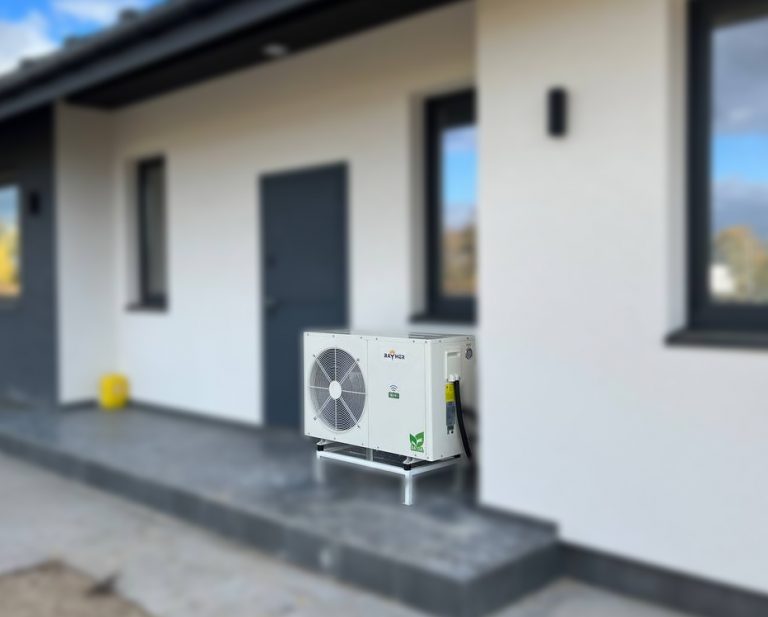
Project task:
Customer, living in the village of Mayaki, Odessa region asked for advice and selection of equipment for heating a small house. The big plus was, that the house is located near the river, therefore there is access to groundwater, therefore there is the possibility of drilling a well.
Answer:
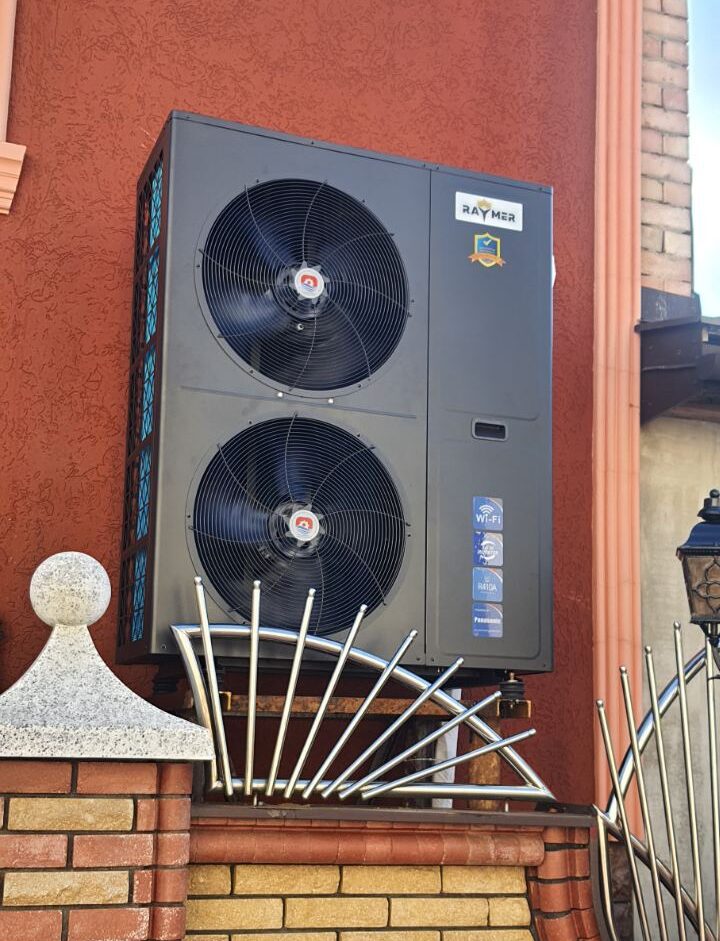
After analyzing the owner's house, territory and features of the earth's surface, possibility of drilling a well, it was decided to install a Raymer RAY geothermal heat pump-07WW, which will provide heating for the house through radiators.
A solid fuel and gas boiler was already installed in the house, the last of which it was decided to leave, as a backup heating source.
Stage 1. Well drilling
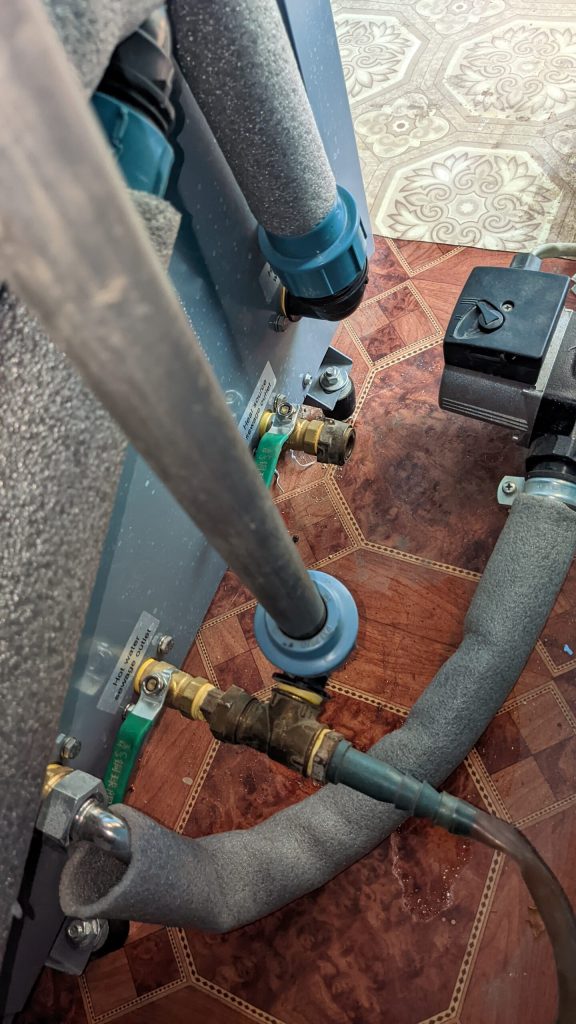
First of all, a detailed analysis of the site is carried out, where is the installation planned?. The type of soil is taken into account, availability of groundwater, house thermal insulation and architectural features.
A detailed project is created, including placement of boreholes, pipelines, pump and other components.
Next was drilling wells to a depth 50 m to achieve soil layers with a stable temperature. After drilling the probes, horizontal thermal pipes were installed. Pipes are filled with coolant, which will transfer heat from the soil to the heat pump.
Stage 2. Installation of indoor VT unit
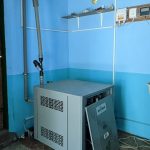
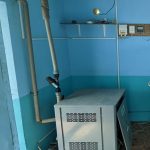
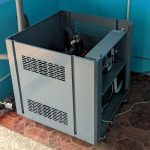
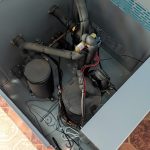
Heat pump indoor unit installed in boiler room, where previously there was a solid fuel boiler.
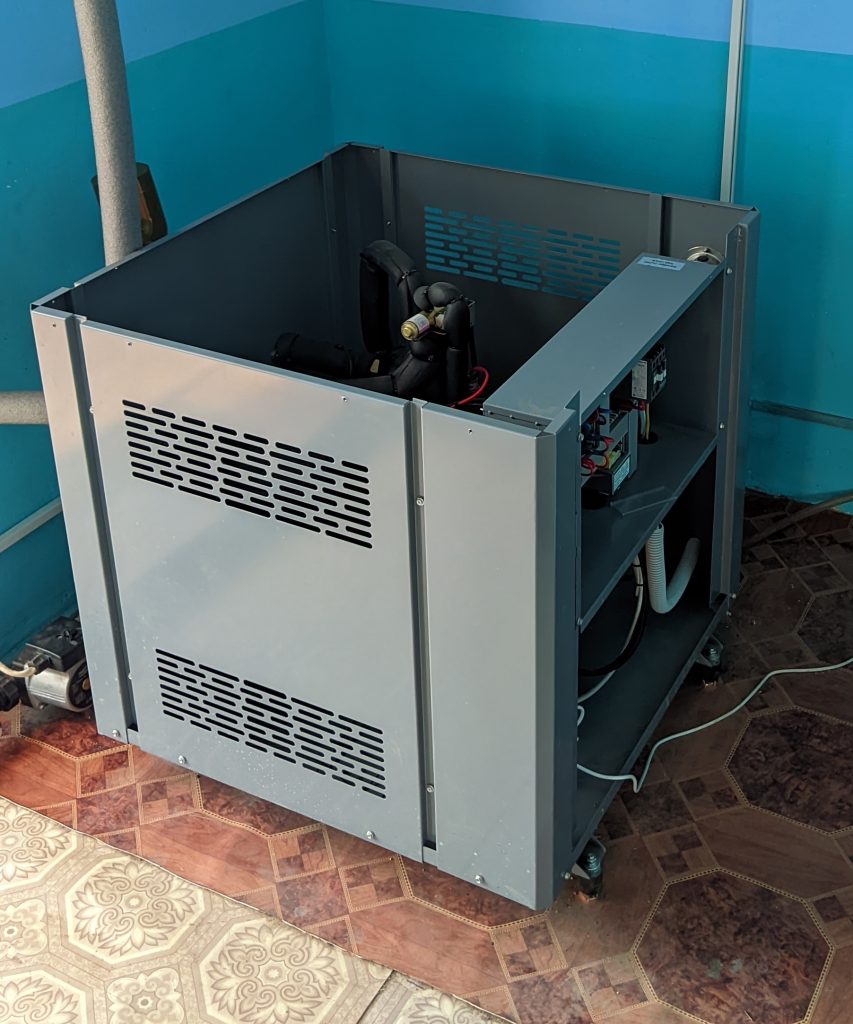 It is important to install anti-vibration mounts to reduce the impact of the compressor and heat exchanger on other parts.
The location was chosen taking into account accessibility to maintenance and optimal proximity to the main components of the heating and water supply system. It was important to provide enough space around the unit for ventilation and easy access to pipelines, pumps, valves and electrical connections.
Stage 3. Connecting pipelines and heat exchangers
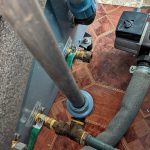
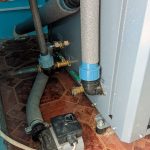
The connection of geothermal pipes to the heat pump is carried out through special heat exchangers. The circulation pump ensures constant movement of coolant between the ground and the heat pump, taking heat from the ground or giving it back in the case of cooling mode.
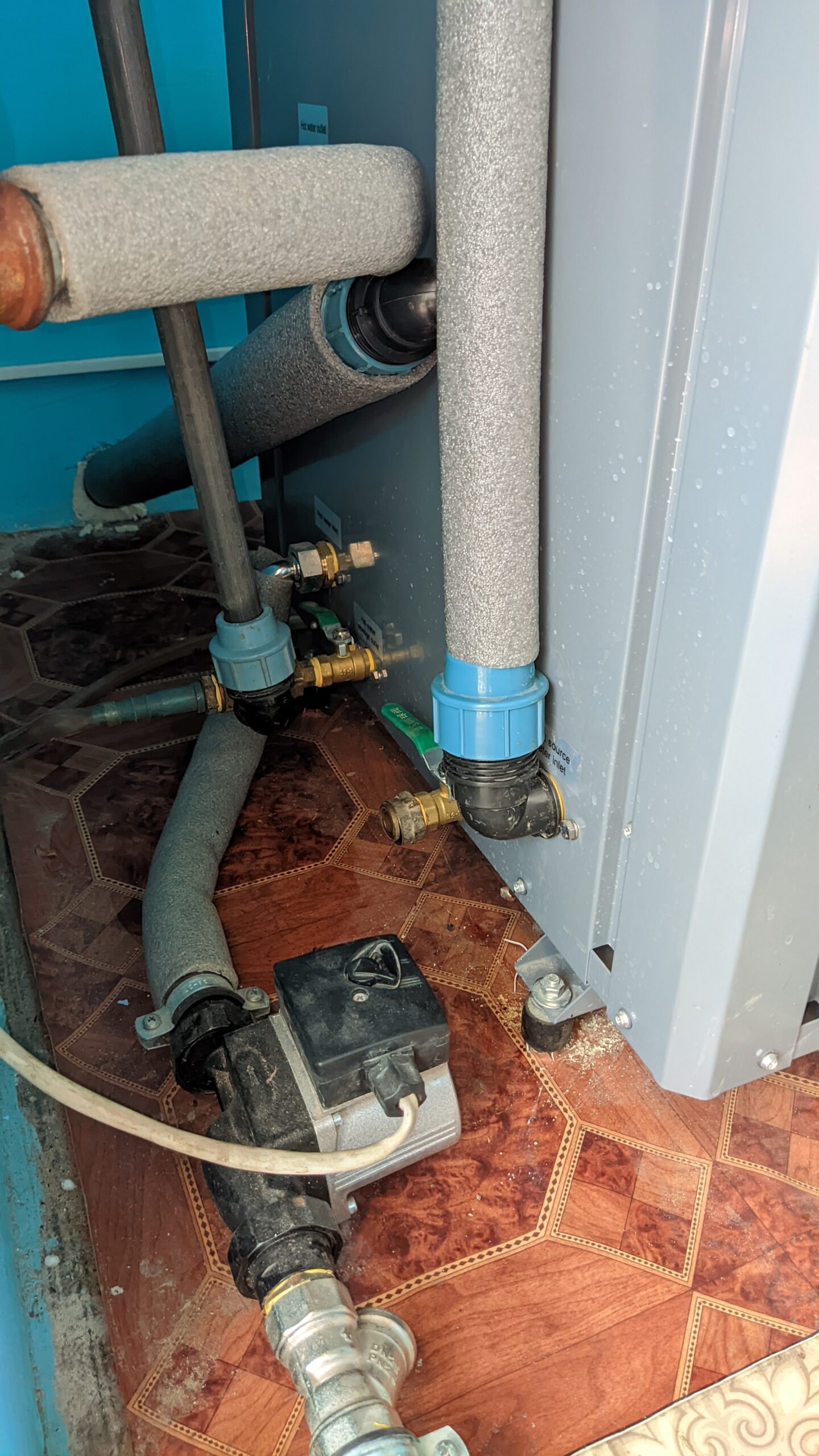 The system uses heat exchangers to transfer thermal energy between coolants. They allow optimal use of the resulting heat for heating rooms or hot water supply..
Hydraulic balancing: When installing pipelines, the hydraulic balancing of the system is adjusted, to distribute heat evenly throughout all rooms and prevent certain areas from overheating or underheating.
Thermal insulation of pipes
All pipelines of the system must be insulated to reduce heat loss. This allows you to maintain a high level of system efficiency and avoid unnecessary heat loss. Pipe insulation is especially important, that pass through unheated rooms, such as the basement or technical rooms.
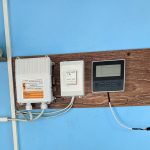
Stage 4. Installing a controller to monitor system performance
Installing a controller to monitor heating system performance is an important step, allowing to optimize its operation and provide comfortable conditions. The controller provides:
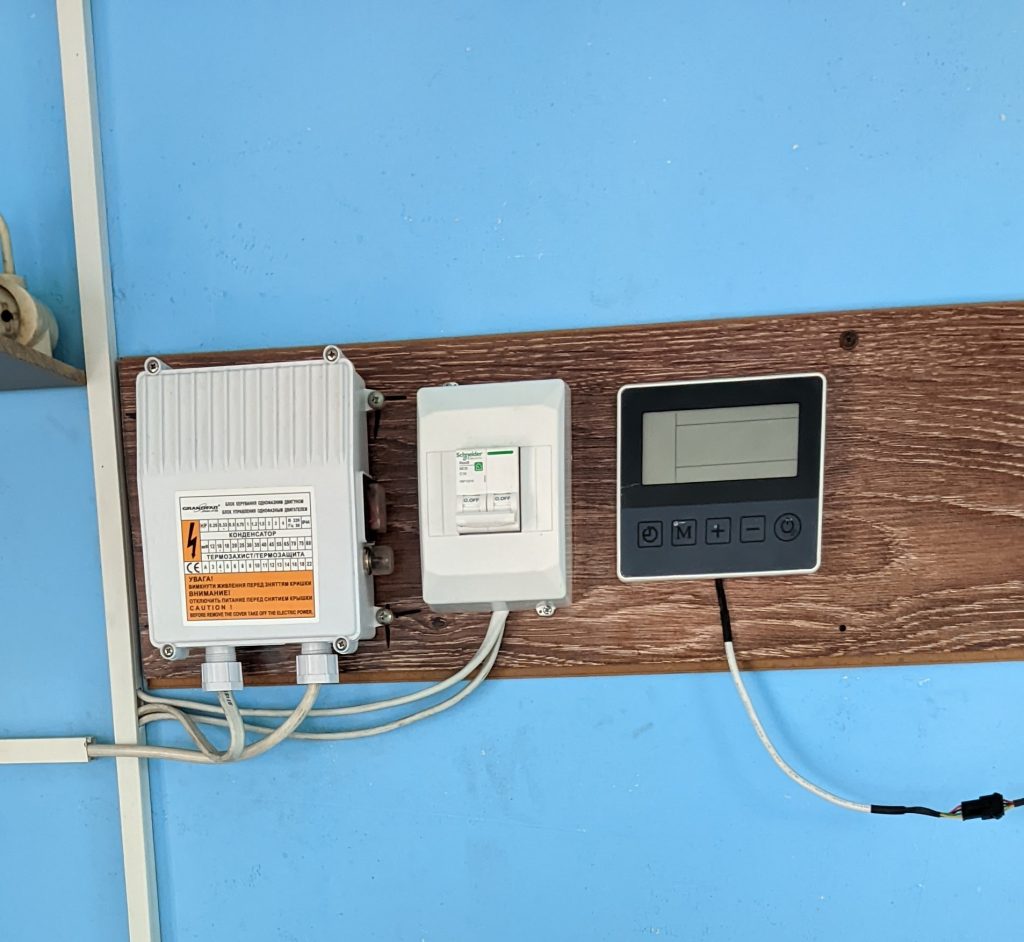 Temperature monitoring: Measures indoor and outdoor temperatures, which allows you to regulate the heating.
Mode management: Allows you to configure different operating modes of the system, such as automatic, energy saving or comfortable.
Data visualization: Shows system metrics on screen, which makes them easy to understand.
Performance Analysis: Collects energy consumption data, which helps identify opportunities to improve efficiency.
Problem Alert: Automatically informs about any problems in the system, which allows timely action to be taken.
Thus, installing a controller not only increases the efficiency of the heating system, but also ensures its reliability and ease of use.
Stage 5. Installing a circulation pump.
Before starting installation, you must make sure, that all system components are prepared, and the installation location is optimally chosen. The circulation pump is installed to supply coolant in the heating system.
It is also important to make sure, that the system is disconnected from the power supply, and the coolant is drained from the system, to avoid leaks during installation.
The pump is installed horizontally on the pipeline to ensure proper operation. It is important to leave enough space for future maintenance and access to the pump..
The circulation pump is installed in the pipeline using threaded connections or flange mountings. The pump was installed like this, so that its rotor is in a horizontal position, which prevents the formation of air pockets and ensures optimal pump performance.
Connecting the pump to the pipelines
The pump is installed in the pipeline, and you need to make sure, that all connections are tight and securely fixed.
For convenient pump maintenance, shut-off valves were installed before and after the circulation pump. This makes it easy to disconnect the pump from the system if it needs to be repaired or replaced without draining all the coolant.
After installing the circulation pump, the system is filled with coolant again. Be sure to bleed air from the system and from the pump to ensure continuous fluid circulation and prevent cavitation.
Stage 6. Connecting voltage stabilizers
To ensure stable and reliable operation of the heat pump, voltage stabilizers were installed. This solution helps avoid potential failures and damage, caused by fluctuations in the electrical network.
Heat pumps are sensitive to voltage surges and sags. Stabilizers provide a constant level of power supply, which allows the system to work without failures.
Regular voltage fluctuations can negatively affect pump components, such as compressor, fan and control system. Stabilizers reduce the risk of damage, extending equipment life. Stable voltage ensures optimal pump operation, which helps to increase the energy efficiency of the system and reduce electricity consumption.
Modern heat pumps have built-in control systems and other electronic components, which are sensitive to voltage changes. Stabilizers protect electronics from failure.
Thus, Installing voltage stabilizers is an important step to ensure reliable and uninterrupted operation of the heat pump in all conditions.
Features and characteristics of soil (geothermal) heat pump Raymer RAY-07WW
Ground source heat pump Raymer RAY-07WW is a modern solution for heating private houses. The main technical characteristics of this pump allow it to operate with high efficiency at low operating costs.
Power and efficiency:
Thermal output of Raymer RAY-07WW is 7 kW, which provides efficient heating of houses up to 80 sq.m. Thanks to inverter technology, the pump automatically adjusts its power depending on the heat demand, which allows to significantly reduce energy consumption.
Environmental friendliness:
Raymer RAY-07WW uses earth's energy, what is a renewable source. This significantly reduces CO2 emissions compared to traditional gas or electric boilers, making it an environmentally friendly heating solution.
Reliability and durability:
Heat pump Raymer RAY-07WW is made of high quality materials, ensuring long-term operation. The pump housing is resistant to corrosion and mechanical damage, and inverter technology reduces component wear, which increases the service life of the system.
Possibility of working with hot water supply:
Raymer RAY-07WW can be used for more than just heating, but also for hot water supply. Integration with an indirect heating tank allows you to provide your home with sufficient hot water, even with high requirements for its consumption.
Automation of work:
The heat pump is equipped with a modern control system, allowing to automate the process of heating and hot water supply. The control system allows you to adjust the temperature in different areas of the house, providing maximum comfort for residents.
Safety and reliability:
Expansion tank, connected to the system, ensures pressure stability, which is an important aspect for the safety and durability of the entire heating system.
Benefits for the customer after installing a Raymer RAY heat pump-07WW:
After installing a geothermal heat pump, the client will receive a number of significant benefits:
Significant savings on energy consumption:
Geothermal heat pumps use energy from the soil, which allows you to get more heat with less energy consumption. This provides up to 75% savings on heating bills compared to traditional electric or gas systems.
Independence from gas and price fluctuations:
Using energy from the soil, the client becomes less dependent on the gas market and its price fluctuations. This creates more predictable and stable heating costs in the long term.
Comfort in any season:
A geothermal pump provides more than just heating in winter, but also effective cooling in summer, creating an optimal microclimate in the house throughout the year. Also, the hot water supply system works smoothly and is energy efficient..
Environmental Safety:
Geothermal systems use renewable energy and significantly reduce CO2 emissions, making them one of the most environmentally friendly home heating and air conditioning options.
Durability and reliability:
Geothermal pumps have a long service life, because they operate without wear due to external climatic conditions. It means, that the customer can count on minimal maintenance and stable performance for decades.
Increase in property value:
Investing in a geothermal pump increases the value of your home in the real estate market. Energy efficient solutions are attractive to potential buyers, as they guarantee low operating costs in the future.
Stable operation in any conditions:
Geothermal systems work effectively at any outdoor temperature, because the soil at depth maintains a stable temperature. This allows the system to operate without performance degradation even in the coldest winter months.
Minimal noise and aesthetics:
Unlike traditional systems, Geothermal pumps are very quiet, and the external components of the system are hidden underground, that does not violate the aesthetics of the yard or house.
Automated control:
Modern geothermal systems are equipped with intelligent controllers, that allow you to easily control your heating and cooling from anywhere via your smartphone or other devices. This simplifies operation and allows you to customize the system to suit your personal needs..
Installation payback:
Thanks to significant energy savings, investment in a geothermal pump pays off quickly. Over time, the customer can receive a full return on investment and continue to enjoy a nearly free heating and cooling system.
Thus, installation of geothermal heat pump Raymer RAY-07WW is the solution, which not only increases the comfort and economic benefit of the client, but also contributes to environmental conservation and energy independence.