What is a heat pump and how does it work?
Heat pump – it is an alternative to gas or electric boiler, the operating principle of which is based on the production of heat. The heat pump, in turn, does not produce heat - it takes energy from the air from the street, water or soil and transfers it indoors. Thus, the heat pump can work for heating, air conditioning and even hot water.
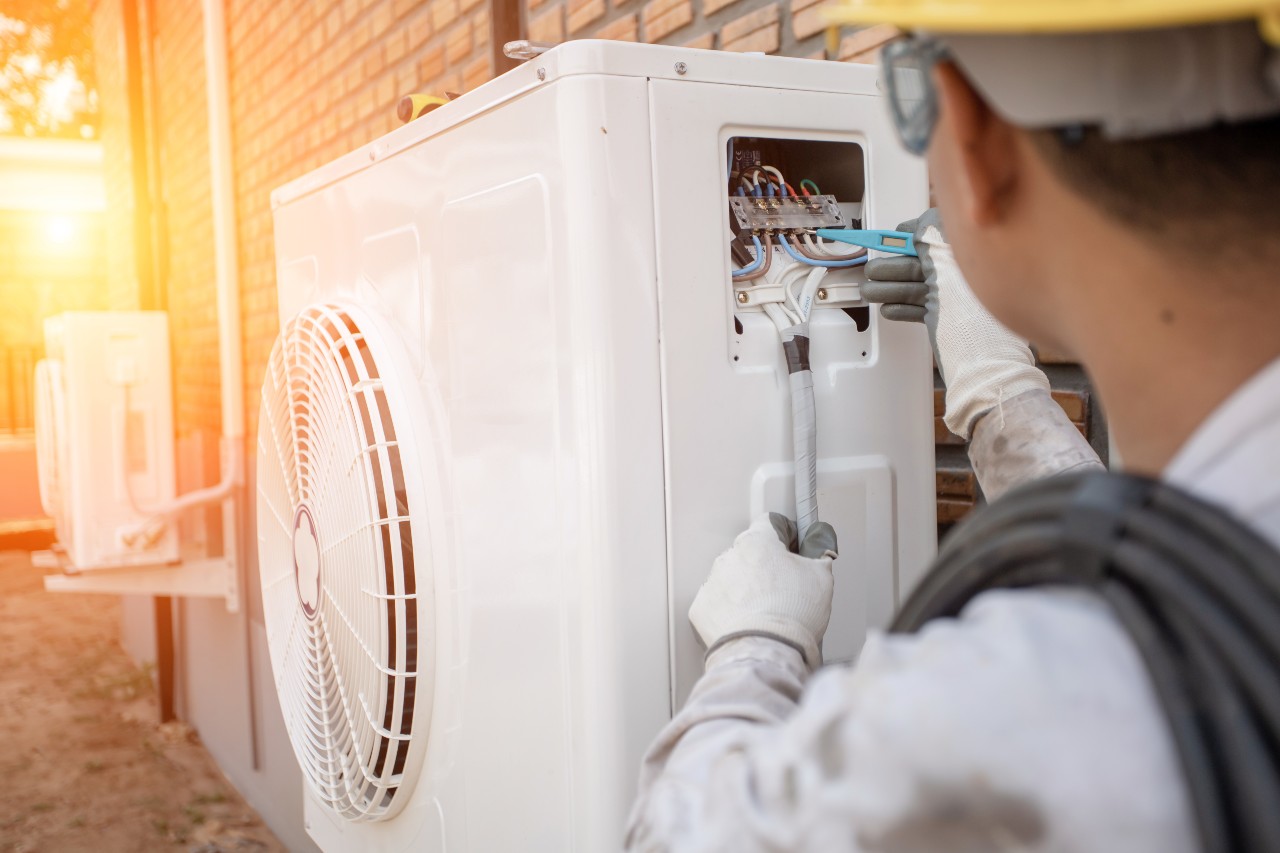
Heat pumps are able to provide heating even at an outside temperature of -25°C. Thereby, a high efficiency factor of heat pumps is achieved - 3-5 kW of heat (or the cold) на 1 kW of electricity, at a time when gas and electric boilers have a lower efficiency level 1 kW!
Where does the heat pump get its heat from?, if it's -25°C outside? The answer is simple. From the same air.
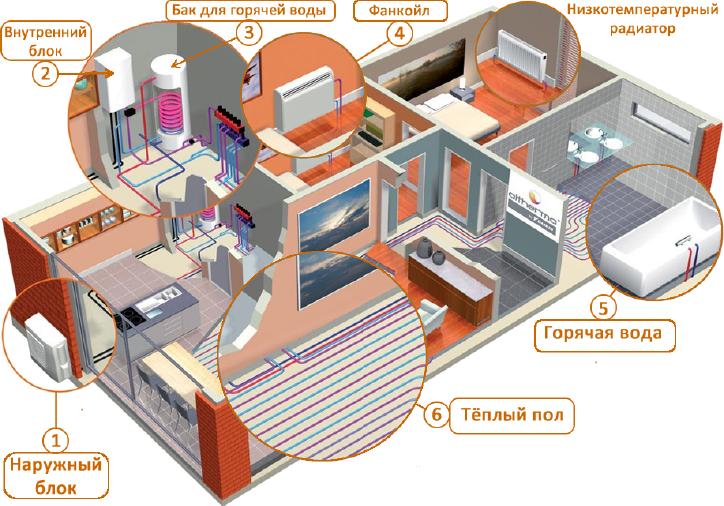
The operation of an air source heat pump can be compared to the operation of a well-known household air conditioner.. It also has an outdoor and indoor unit., only here the air source heat pump does not heat the air in the house, and water, which then runs into the warm floor, in radiators or fan coil units. This is how we get efficient heating in our house..
Types of Heat Pumps
- ground-to-water heat pump;
- heat pump "water-water";
- heat pump "water-air";
- air-to-air heat pump.
All the above types of heat pumps as an energy source for heat, cold, use:
- air;
- water from reservoirs, or groundwater;
- soil.
Heat pump devices of different types are very similar to each other, but there are some differences. for example, in air source heat pump there will be fans in the external unit, which drive outside air through the system. U ground heat pump there will be pipes, well-like, that dig into the ground, and take heat from it for heating or air conditioning in the house. U water pump there will also be a well, through which water is taken into the heat pump and driven through the heating system.
Experts can choose the right heat pump, which, when calculating and choosing a system, take into account such factors:
- Object state (new, or a reconstruction);
- Physical location of the object (to select the type of heat pump - air, water or ground).
Considering the differences in the advantages of one type of heat pump from others, you can say, What air heat pump is considered more versatile, as it is suitable for many types of cottages and private homes. It will pay for itself just as quickly.
Concerning ground heat pump – it looks more efficient, but, such a system takes longer to pay for itself due to the cost of excavation work (well drilling). When, if your object is located far from complex buildings, and electricity costs you a lot, then a ground source heat pump is the only way out.
Water source heat pumps are used in two cases: if you have an abundance of groundwater (which is quite rare), or if there is a reservoir nearby. In the second case, want to warn, that in order to take heat from the reservoir – need to use specific heat exchangers, which, moreover, can often become clogged. This will lead to reduced performance and costly maintenance..
Scheme of connection to the heat pump of various types of units for heating:
How much does a heat pump cost, and what manufacturers are there
The cost of equipment for commercial and private premises:
- For rooms with an area 100-150 m2 – ranges from 2700 to 4500 EUR.
- For rooms with an area 170-280 m2 – ranges from 4700 to 15000 EUR.
- For premises 400 m2 and higher – INDIVIDUALLY.
The premium segment includes the following manufacturers: Hitachi Yutaki, Mitsubishi Electric, Daikin Altherma, Viessmann, Vaillant.
To the mid-price segment: MyCond, Raymer, Gree Versati, Cooper&Hunter.
Summing up, you can say, that the ideal option is to use a heat pump “air-water”. It is easy to install, operation and quickly pays for itself. If you don't believe us, then our specialists will be happy to help you choose equipment that matches the size of your home, office or production workshop.
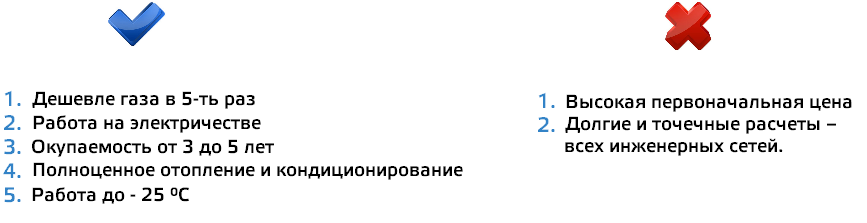
Why do you need a heat pump? Primarily, to save on heating. And as a bonus, you get an air conditioning system for the whole house during the hot season and the availability of hot water in the house all year round.
Advantages and disadvantages of heat pumps